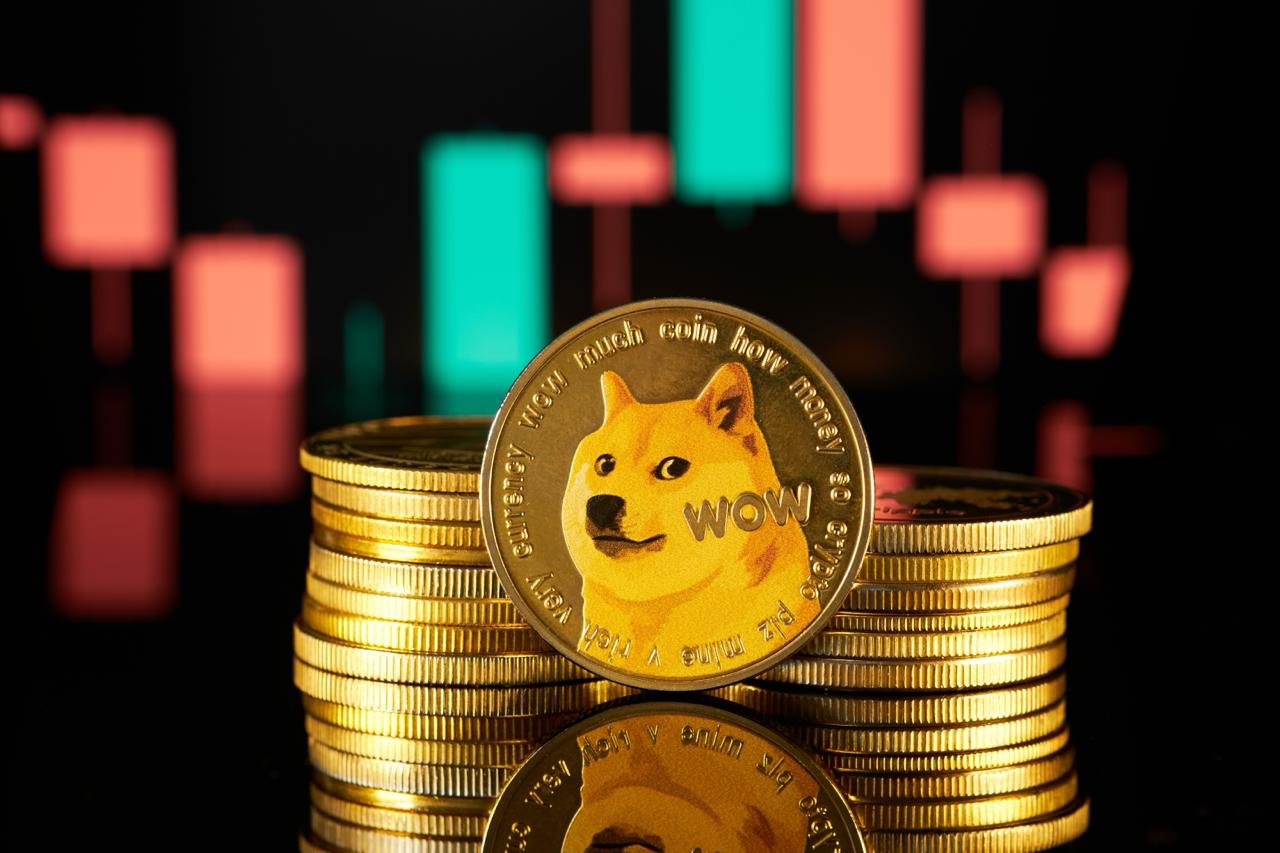
Key Takeaways DogeOS runs smart contracts on a separate network. DogeOS transaction fees are paid using DOGE. Bridge reliability matters […]
The post DogeOS Opens a Testnet: What Could Change for DOGE Holders? appeared first on Coindoo.
Key Takeaways
- DogeOS runs smart contracts on a separate network.
- DogeOS transaction fees are paid using DOGE.
- Bridge reliability matters alongside the applications themselves.
The September 30 announcement describes an environment compatible with the Ethereum Virtual Machine, or EVM, the engine that runs Ethereum smart contracts. Developers can use familiar tools to build services around DOGE while Dogecoin’s base network remains unchanged.
For holders, the useful question is what those services would let them do—and what would be involved in moving their coins into an application and back out again.
What a Dogecoin application could offer
The announcement names Superposition Finance, a lending project, and USDoge, a proposed stablecoin backed by collateral. It also includes Doge Escape among the gaming projects. Availability and features depend on each team’s development schedule.

A borrowing example shows the potential benefit more clearly than a list of app names:
Illustrative example: If an application accepted DOGE as collateral, a holder could deposit it and borrow another asset without immediately selling their Dogecoin.
The holder would still owe the debt. If DOGE’s value fell enough to breach the application’s limits, some collateral could be sold to repay it. Borrowing costs and rules would depend on the product.
That would create a new choice for holders, with financial obligations attached. Testing can establish whether such a service works, but its appeal will also depend on the terms and the funds available to borrow.
Getting DOGE into an app is part of the test
DogeOS applications run on their own network, so using them involves more than sending an ordinary Dogecoin payment. A bridge connects the two systems, allowing assets to move into the app environment and return to Dogecoin.
The current official bridge guide covers transfers between Dogecoin’s testnet and the DogeOS Chikyū testnet. These transfers use testnet DOGE. The guide describes an early implementation and says deposits and withdrawals can take up to four hours.
That timing applies to the documented testnet process. It also illustrates why a quick transaction inside an application does not necessarily mean a quick return to the original network. Someone borrowing, trading or playing a game needs both parts of the journey to work.
Who checks the bridge today?
DogeOS CEO Jordan Jefferson told The Block that bridge state changes require valid proofs, signatures from a majority of validators and a signer operating in a trusted execution environment, a protected area for running code. Transaction ordering is handled by a permissioned sequencer, restricting that function to approved operators.
Dogecoin does not currently verify DogeOS’s zero-knowledge proofs itself. A proposed Dogecoin Core upgrade would add native proof verification, but it has not been implemented.
The present arrangement therefore adds checks and operators beyond those involved in a normal Dogecoin transfer. Users evaluating future applications will need to understand who controls those components and what happens if they stop working.
Ethereum also has a role behind the DOGE fees
The design combines several networks. DogeOS’s fee documentation says transaction data is published to Ethereum for data availability. This makes the information available for reconstructing and checking the app network’s history.
| Network | Role in the design |
|---|---|
| DogeOS | Runs applications and orders their transactions. |
| Ethereum | Provides a place to publish transaction data. |
| Dogecoin | Records bridge updates and provides the network users deposit from and withdraw to. |
Fees are denominated in DOGE, covering both application execution and the costs of publishing data and updating the Dogecoin bridge. A wallet therefore needs to account for more than the cost of running a smart contract when showing the full transaction charge.
For an ordinary user, the practical consequence is simple: assess the total cost of using a service, including moving funds between networks. The currency used to pay a fee does not tell the whole story about the infrastructure behind it.

Working apps still need regular users
EVM compatibility reduces the work required to build applications with tools developers already know. Teams still need to test their contracts: DogeOS’s compatibility documentation lists differences in supported Ethereum operations.
Once an app works, it needs users and, for financial services, sufficient liquidity. A lending market with little available funding offers limited borrowing opportunities. A trading service needs enough liquidity for users to transact without moving the price sharply. A game needs a reason for players to return.
DogeOS joins other attempts to expand Dogecoin’s use. Coindoo previously covered House of Doge’s Japan-focused partnerships, a separate initiative involving payments and tokenized assets. DogeOS is pursuing applications developers can build around DOGE.
Paying fees in DOGE creates a reason to use the coin. Low fees can mean many transactions require relatively little DOGE, however. Usage numbers would need to be read alongside the amounts actually paid.
What would show the project is ready for wider use?
Jefferson said the mainnet timetable would be shared after further development milestones. The immediate evidence to watch is:
- Complete user journeys: Applications that demonstrate deposits, useful activity and withdrawals, with delays and costs explained.
- Clear operating responsibilities: Published details about bridge controls, security reviews, transaction ordering and recovery procedures.
- Repeat use after launch: People returning to functioning services. Test transactions and address counts alone cannot establish lasting demand.
For a holder, getting DOGE into an application is only useful if the service offers a worthwhile reason to keep it there. Clear costs and a predictable way to withdraw would give people a firmer basis for deciding whether to use that service with real DOGE.
The post DogeOS Opens a Testnet: What Could Change for DOGE Holders? appeared first on Coindoo.
Source: https://coindoo.com/dogeos-opens-a-testnet-what-could-change-for-doge-holders/


More Crypto News
Check our Market Overview
Disclaimer: This article is for informational purposes only and does not constitute financial advice. Always conduct your own research (DYOR).