Key Takeaways tether.wallet launches as self-custodial software wallet. Supports USDT, USA₮, XAU₮, and Bitcoin with Lightning. Human-readable [email protected] IDs replace […]
The post Tether Launches Its Own Wallet: 570 Million Users Get a Self-Custodial Home appeared first on Coindoo.
Key Takeaways
- tether.wallet launches as self-custodial software wallet.
- Supports USDT, USA₮, XAU₮, and Bitcoin with Lightning.
- Human-readable [email protected] IDs replace complex wallet addresses.
- Gasless transactions eliminate need for separate network tokens.
The Launch
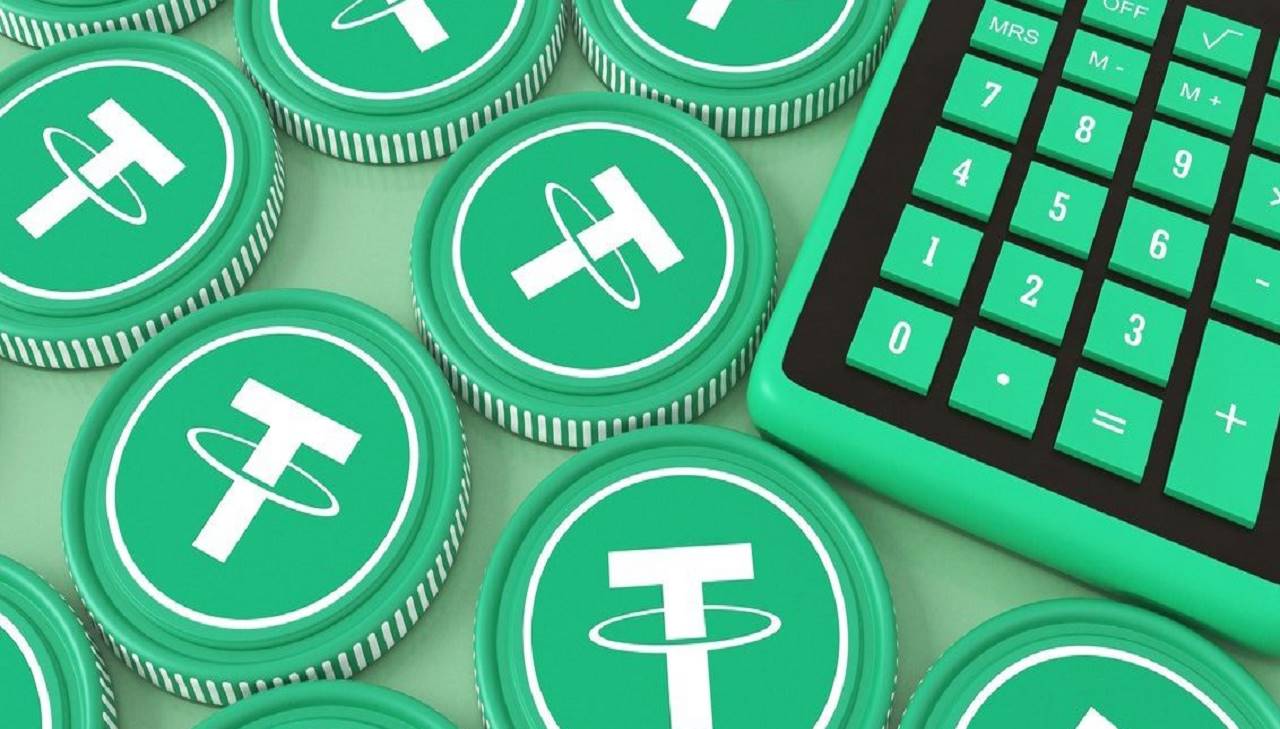
Tether launched tether.wallet on April 14, a self-custodial software wallet marking the company’s first move from stablecoin issuer to direct consumer product. Private keys stay on the device, transactions are signed locally, and users hold their own recovery phrases. The supported asset list reflects what Tether has built over the past decade: USDT and USA₮, the latter a federally regulated stablecoin, cover the dollar side, XAUT covers gold, and Bitcoin is supported both on-chain and through the Lightning Network. Four assets, one app, no custodian between the user and their funds.
Tether’s 570 million existing users now have a native wallet built specifically around the assets they already use. The distribution advantage at launch is unlike anything a competing wallet product has ever had.
What Makes It Different
Two features separate tether.wallet from every existing self-custodial wallet. The first is human-readable IDs, instead of a 42-character wallet address, users send and receive funds via identifiers like [email protected], claimed once and linked across all supported networks. The second is gasless transactions, fees are paid directly in the asset being transferred, removing the single biggest friction point in crypto UX: needing to hold a separate network token just to move money.
Both features target the same problem. The 50% of the global population without access to basic financial services doesn’t fail to adopt crypto because of ideology, it fails because the infrastructure is too complicated to use. A wallet address that reads like a bank account and transactions that require no secondary token are the two changes most likely to move that number.
READ MORE:

Iran’s Hormuz Crypto Toll Comes With a Guarantee of Safe Passage – and a Sanctions Violation
The Strategic Shift
Tether built tether.wallet on its open-source Wallet Development Kit, designed to support humans, machines, and AI agents. That last category is not decorative. A WDK built for AI agents means the infrastructure is designed for programmatic money movement, payments, settlements, and transfers initiated by software rather than people. That’s a product category beyond consumer wallets, and Tether is building for both simultaneously.
The network roadmap reflects the same consolidation logic. Ethereum, Polygon, Plasma, Arbitrum, and Bitcoin are live at launch. Solana, TON, and BNB Chain are prioritized for Q3–Q4 2026. Omni, Kusama, SLP, EOS, and Algorand are being wound down. Five legacy networks out, three high-throughput networks in, Tether is concentrating infrastructure where users actually are.
What Happens Next
The launch timing is the context that makes the product consequential. Tether is moving into direct consumer infrastructure at the moment institutional and retail interest in crypto is at its highest point since the Iran war began. That’s not coincidence, it’s positioning.
The self-custody question is the one Tether cannot answer with a feature list. Losing a recovery phrase in a custodial product means a support ticket. Losing it in tether.wallet means losing the funds permanently. The 50% of the global population Tether is targeting with financial inclusion messaging are the same users least familiar with that distinction. Human-readable IDs and gasless transactions remove two real barriers. The third barrier, understanding what self-custody actually means, is the one no UX decision resolves.
The AI agent infrastructure built into the WDK is the detail that separates this from every other wallet launch. Consumer wallets compete on UX. A WDK designed for programmatic money movement, payments and settlements initiated by software rather than people, competes on infrastructure. Tether launched both in the same product on the same day. That’s the part of the announcement that the feature list buried and the press release didn’t lead with.
The information provided in this article is for educational purposes only and does not constitute financial, investment, or trading advice. Coindoo.com does not endorse or recommend any specific investment strategy or cryptocurrency. Always conduct your own research and consult with a licensed financial advisor before making any investment decisions.
The post Tether Launches Its Own Wallet: 570 Million Users Get a Self-Custodial Home appeared first on Coindoo.
Source: https://coindoo.com/tether-launches-its-own-wallet-570-million-users-get-a-self-custodial-home/


More Crypto News
Check our Market Overview
Disclaimer: This article is for informational purposes only and does not constitute financial advice. Always conduct your own research (DYOR).