
Key Takeaways CLARITY missed the required 60-vote threshold. Warren urged Congress to block the legislation. McConnell voted to advance the […]
The post CLARITY Act Fails Its Crucial Senate Vote appeared first on Coindoo.
Key Takeaways
- CLARITY missed the required 60-vote threshold.
- Warren urged Congress to block the legislation.
- McConnell voted to advance the legislation.
- One-hour long liquidations reached $287 million.
- Revival requires new language and Senate support.
The bill failed before formal floor consideration
The Senate voted on whether to invoke cloture on the motion to proceed to H.R. 3633, the Digital Asset Market Clarity Act of 2025. Cloture required support from three-fifths of the chamber, normally 60 senators.
At the time of writing, 49 of the Senate’s members had voted against cloture. That made a 60-vote majority mathematically impossible, even before the complete roll call was published.
This was not a vote on final passage. Its failure stops the scheduled route to floor debate and amendments, but it does not amount to a Senate decision on every provision in the bill.


BREAKING: The CLARITY Act fails to advance in the Senate, falling short of the 60 votes needed to move forward.
— CoinDesk (@CoinDesk) September 15, 2026
Warren and Lummis made opposing final appeals
Sen. Elizabeth Warren spoke before the vote and called on Congress to block the CLARITY Act. She maintained that the revised ethics provisions would not provide sufficient protection against public officials using their positions to profit from crypto interests.
Lummis followed with a final appeal for senators to advance the legislation and settle the remaining disputes through floor debate. Her speech did not change the outcome.
Sen. Mitch McConnell voted in favor of advancing the bill. His support added one Republican vote to the cloture effort but was not enough to close the wider gap.
The vote followed unsuccessful negotiations over presidential ethics restrictions, stablecoin rewards, banking safeguards and protections for software developers. Republican negotiators had rejected a Democratic counteroffer before the vote.
Those disagreements shaped the final negotiations, but the roll call alone does not show why every senator opposed cloture. Different members may have objected to specific provisions, the negotiating process or the decision to proceed before a broader agreement was reached.
Crypto long liquidations reached $287 million
CoinGlass data checked at 18:58 UTC showed approximately $287 million in crypto long positions liquidated during the previous hour. The surge occurred around the Senate result as falling prices forced exchanges to close leveraged positions opened by traders expecting the market to rise.
The timing suggests the failed vote contributed to short-term pressure, but it does not prove that the legislation caused the entire liquidation total. The figure covers a rolling one-hour period, and crypto markets were already under pressure before the result.
Liquidations are forced closures of leveraged positions after traders can no longer meet collateral requirements. The $287 million figure does not mean the same amount was withdrawn from the crypto market or sold by ordinary spot holders.
The vote changes no existing crypto rules
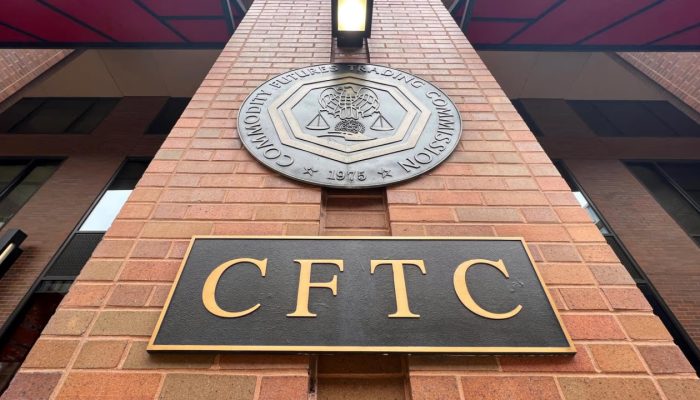
The result does not create new cryptocurrency classifications or alter the current responsibilities of the SEC and CFTC. Exchanges, token issuers and other crypto businesses remain subject to existing federal laws, agency rules, court decisions and enforcement actions.
The House previously approved its version of the legislation, but both chambers must pass identical text before a bill can be sent to the president.
How the CLARITY Act could return
The calendar limits the chance of another attempt
The failed vote does not legally prevent Senate leaders from returning to the bill. The difficulty is finding time to renegotiate the text and demonstrate that another cloture vote would produce a different result.
If the current Congress ends without passing the legislation, it will not carry automatically into the next Congress. Lawmakers would need to introduce a new bill and repeat the relevant committee and floor procedures.

What would show the bill is moving again?
Revised legislative text would be the first concrete sign of a revival. The stronger signal would be public commitments from enough previous opponents to make another cloture vote viable. Until then, the CLARITY Act remains stalled.
This article is provided for informational purposes only and does not constitute legal, financial or investment advice. Liquidation totals are rolling estimates that can change rapidly, while future negotiations may alter the legislation and its timetable.
The post CLARITY Act Fails Its Crucial Senate Vote appeared first on Coindoo.
Source: https://coindoo.com/clarity-act-fails-its-crucial-senate-vote/


More Crypto News
Check our Market Overview
Disclaimer: This article is for informational purposes only and does not constitute financial advice. Always conduct your own research (DYOR).