
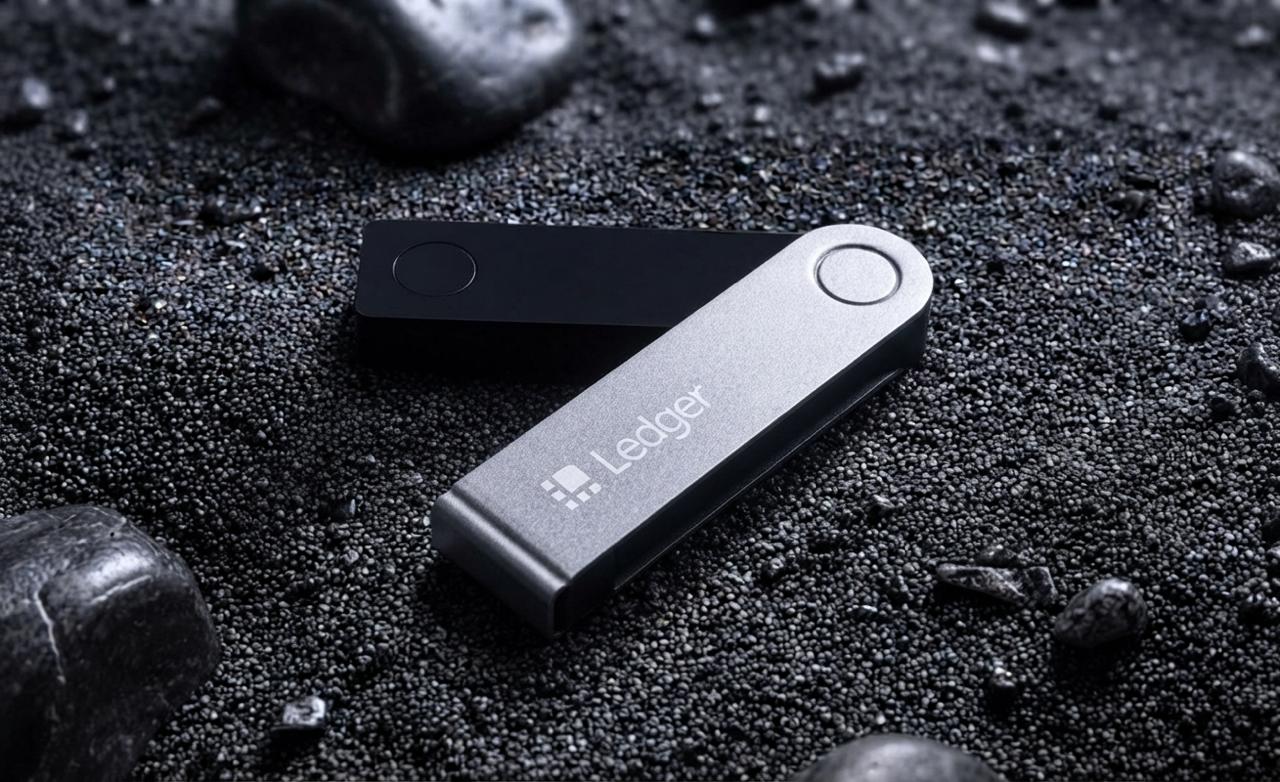
The key part of Ledger’s warning is the 90-day guidance for recent buyers. A device that has never been set […]
The post Ledger Warns Users After Lost-Funds Reports appeared first on Coindoo.
The key part of Ledger’s warning is the 90-day guidance for recent buyers. A device that has never been set up should remain uninitialized, while users who already created a wallet may need to move assets to a new signer using a newly generated recovery phrase.
Key Takeaways
- Ledger is investigating the reported losses and has not disclosed their cause.
- Recent buyers who have not set up their device should avoid starting the process.
- A migration requires a new signer, a new recovery phrase and new receiving addresses.
- Ledger has not confirmed media reports of an $86 million loss total.
The 90-day warning turns on one question: has the wallet been created?
The difference between an unopened device and an active wallet explains Ledger’s two-part advice. A buyer who has not begun setup has not generated a recovery phrase through that device, so Ledger says not to initialize it. The company’s message to users who already set up a device is more involved because their wallet may already control assets.
Ledger advised those users to consider moving funds to a new Ledger signer with a new seed. The company has not publicly described the reason for that precaution, yet the wording shows that replacing the physical device alone would not address the concern.


A replacement device can still restore the old wallet
A hardware wallet does not hold cryptoassets in the same way a USB drive holds files. Assets remain on their respective blockchains, while the signer holds the private keys used to authorize transactions.
The 24-word recovery phrase can recreate those keys on another compatible device. Entering the existing phrase into a replacement Ledger therefore restores the same wallet, with the same addresses and the same security history.
Ledger’s guidance follows the same security principle seen in our report on affected Coldcard seeds: changing the hardware or installing updated software does not change the private keys created earlier. A secure migration requires fresh keys and a transfer to new addresses.
Users who choose to move funds should first create a fresh recovery phrase on the new signer, then transfer assets to receiving addresses generated from that phrase.
Ledger is investigating reports of loss of funds from users in South East Asia who purchased products from a reseller named CryptoBillis. As a precaution, and pending the results of our investigation, we have asked CryptoBilis to pause all sales and shipments of Ledger devices. We recommend Ledger users who purchased from this reseller in the last 90 days to not initiate set up if you have not done so yet. If you have set up your Ledger device, consider moving assets to a new Ledger signer (with new seed). We will continue to inform customers of updates as the investigation progresses.
Reach out to Ledger customer support through official channels with any questions: https://t.co/4p918UH8yb
— Ledger Support (@Ledger_Support) October 9, 2026
A cautious migration checklist for affected buyers
Ledger has not published a technical explanation for the reported losses, so users should follow its official updates and avoid improvising with recovery phrases. The practical goal is to create a fresh wallet environment before moving assets.
Security note: Ledger support will not ask for a recovery phrase. Anyone requesting the 24 words, a private key or remote access to a computer should be treated as a scammer.
What Ledger’s Genuine Check can verify
Ledger’s Genuine Check verifies the cryptographic identity of the device’s Secure Element. It remains an important authenticity check when a user sets up a Ledger from an authorized source.
Ledger also says the check cannot establish the full handling history of a device or detect every physical modification surrounding a genuine Secure Element. That limitation helps explain why a product can pass an important authenticity test while a company still investigates a possible problem in the wider sales process.
The $86 million estimate remains outside Ledger’s statement
Some crypto media outlets, including Crypto Briefing, have reported claims that losses connected to the incident may exceed $86 million. Ledger has not confirmed that figure, identified the affected wallet addresses, or explained the mechanism behind the reported thefts.
Without those details, outside estimates cannot establish how much of the reported on-chain activity belongs to the investigation Ledger announced.
The next Ledger update needs to answer three questions
Ledger’s investigation needs to establish whether the reports share a technical pattern, how buyers can identify affected purchases and whether customers who already created wallets need action beyond the company’s current guidance.
Until those answers arrive, the company’s warning gives recent buyers a practical security boundary: leave an unopened device uninitialized, never share a recovery phrase, and use a fresh seed when moving assets to another signer.
This article is for informational purposes only and does not constitute security, legal or investment advice. Users concerned that their device or recovery phrase may be compromised should follow Ledger’s official support guidance.
The post Ledger Warns Users After Lost-Funds Reports appeared first on Coindoo.
Source: https://coindoo.com/ledger-warns-users-after-lost-funds-reports/


More Crypto News
Check our Market Overview
Disclaimer: This article is for informational purposes only and does not constitute financial advice. Always conduct your own research (DYOR).